
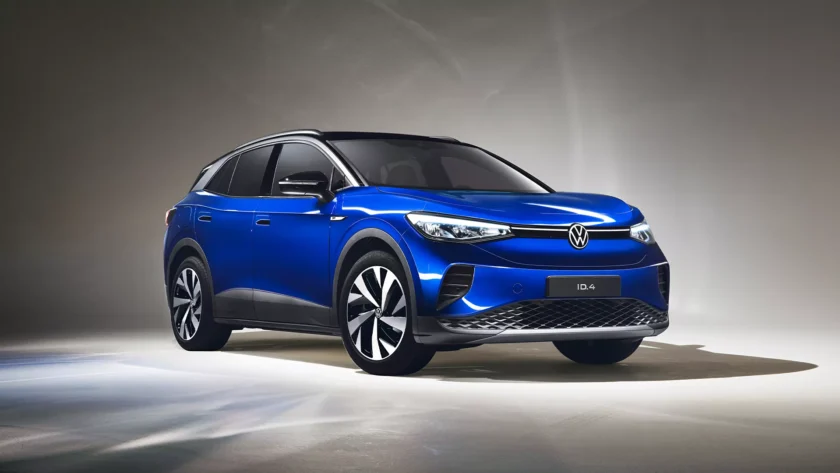
The Volkswagen ID.4 stands as one of America’s most accessible electric SUVs, earning its spot on Car and Driver’s Editors’ Choice list for 2025. This comprehensive Volkswagen ID.4 Electric car review serves potential buyers researching practical EV options that balance affordability, range, and family-friendly features without sacrificing everyday usability.
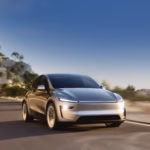
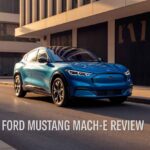
Perfect for families considering their first electric vehicle or current EV owners seeking more space and value, the ID.4 competes directly with the Ford Mustang Mach-E, Hyundai Ioniq 5, and Tesla Model Y in the rapidly growing compact electric SUV segment. The Volkswagen ID.4 full specification includes multiple battery options, trim levels ranging from budget-conscious to feature-rich, and both rear-wheel and all-wheel drive configurations.
This review examines the ID.4’s real-world performance capabilities and driving dynamics across different powertrain options. We’ll analyze the practical aspects of battery range and charging infrastructure compatibility that impact daily ownership. Finally, we’ll break down the trim levels and pricing structure to help determine which configuration delivers the best value for different buyer priorities.
Performance and Driving Experience Analysis
The 2025 Volkswagen ID.4 full specification offers three distinct powertrain configurations to suit different performance preferences and driving needs. The base model features a single-motor rear-wheel-drive setup producing 201 horsepower, paired with the smaller 58.0-kWh battery pack. For those seeking enhanced performance, a mid-level variant delivers 282 horsepower through a single rear motor configuration utilizing the larger 77.0-kWh battery.
The flagship performance option comes in the form of a dual-motor all-wheel-drive system that generates between 330-335 horsepower, depending on the source specification, also equipped with the larger battery pack. This power variation represents the most capable configuration in the ID.4 lineup.
The acceleration performance varies significantly across the range. The base rear-wheel-drive model achieves 0-60 mph in an estimated 7.3 seconds, while real-world testing of the single-motor Pro S variant recorded a more impressive 6.1-second sprint. The dual-motor all-wheel-drive configuration delivers the most compelling acceleration, completing the 0-60 mph benchmark in approximately 4.8-4.9 seconds according to various automotive testing sources.
Handling Characteristics and Driving Dynamics
The Volkswagen ID.4 prioritizes comfort and refinement over aggressive sporting dynamics, reflecting Volkswagen’s engineering philosophy for this mainstream electric vehicle. The handling characteristics emphasize a smooth, refined ride quality paired with exceptional cabin quietness, creating an experience that favors relaxed cruising over spirited driving engagement.
Unlike some competitors in the electric crossover segment, such as the Ford Mustang Mach-E or Kia EV6, the ID.4 adopts a less sporty approach to driving dynamics. The suspension tuning focuses on absorbing road imperfections effectively, though larger bumps can generate noticeable vertical motions that remain typical for vehicles in this class category.
Highway comfort represents a particular strength, where the ID.4 delivers a composed and serene driving experience. The vehicle’s easy-going demeanor contributes to reduced driver fatigue during extended journeys, making it well-suited for daily commuting and long-distance travel scenarios.
Despite its comfort-oriented setup, the ID.4 demonstrates respectable dynamic capabilities. Testing revealed a skidpad performance of 0.86 g, indicating adequate roadholding for typical driving situations. The tight turning radius enhances maneuverability in urban environments, facilitating effortless parking maneuvers and U-turn execution.
Regenerative Braking and One-Pedal Driving Capabilities
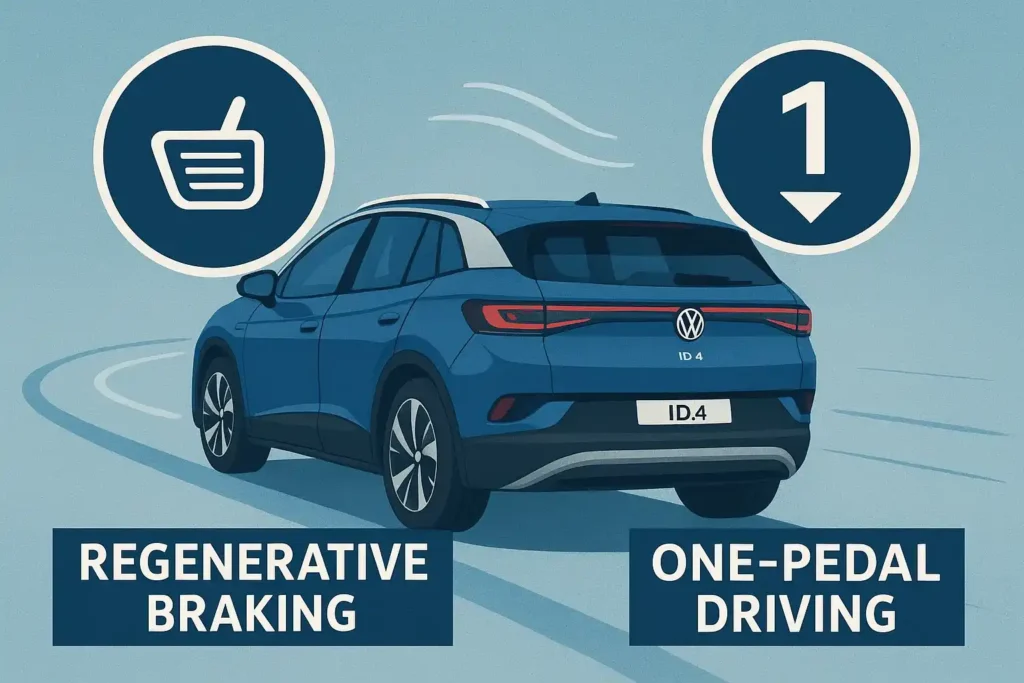
The ID.4’s regenerative braking system effectively recaptures energy during deceleration, contributing to overall efficiency and range optimization. However, the implementation differs from some electric vehicle competitors in its approach to one-pedal driving functionality.
Even when configured in the most aggressive regenerative braking mode, the ID.4 does not provide the comprehensive one-pedal driving experience that many electric vehicle drivers have come to expect. The regenerative system offers decent energy recovery capabilities, but drivers must still utilize the traditional brake pedal to achieve complete stops in most driving scenarios.
This design choice reflects Volkswagen’s preference for maintaining familiar driving dynamics while incorporating electric vehicle benefits. The regenerative braking feels natural and progressive, avoiding the abrupt deceleration characteristics that can sometimes accompany more aggressive regenerative systems. While this approach may not satisfy drivers seeking maximum one-pedal convenience, it provides a more traditional braking feel that may appeal to those transitioning from conventional internal combustion vehicles.
Battery Range and Charging Capabilities
EPA Range Estimates for Different Battery Configurations
The 2025 Volkswagen ID.4 full specification includes multiple battery configurations that deliver varying range capabilities. The base model features a single-motor rear-wheel-drive setup with a smaller 58.0-kWh battery pack, producing 201 horsepower and offering an EPA-estimated range of 206 miles. This entry-level configuration provides adequate range for urban commuting but may limit longer-distance travel capabilities.
The mid-tier option significantly enhances the driving range through a larger 77.0-kWh battery paired with the same single-motor RWD layout, though with increased power output of 282 horsepower. This configuration delivers a substantially improved EPA-estimated range of 291 miles per charge, representing a 41% increase over the base model and establishing a more practical option for extended journeys.
For those requiring all-wheel-drive capability, the dual-motor variant combines the larger 77.0-kWh battery with enhanced performance, generating 335 horsepower. However, the additional motor and all-wheel-drive system reduce efficiency, resulting in an EPA-estimated range of 263 miles—28 miles less than the single-motor version with the same battery capacity.
Real-World Range Testing Results
Independent testing from reputable automotive publications provides valuable insights into the ID.4’s actual performance beyond EPA estimates. Car and Driver’s comprehensive testing of the all-wheel-drive variant on their standardized 75-mph highway fuel-economy test route yielded 240 miles of real-world range, representing a 23-mile deficit compared to its EPA rating.
Conversely, Edmunds’ EV Range Test demonstrated more promising results for the single-motor rear-wheel-drive configuration. Their testing achieved 299 miles on a single charge, exceeding the EPA estimate by 8 miles and surpassing the previous model’s performance by 11 miles. This improvement suggests refinements in efficiency and battery management systems.
Owner experiences present even more optimistic scenarios under specific conditions. One documented review reported achieving 340 miles of range when charging to 100% capacity and maximizing regenerative braking features, though this exceptional result differs from standardized real-world testing protocols.
DC Fast Charging Speeds and Home Charging Options
The ID.4’s charging capabilities accommodate both home and public charging scenarios, though performance lags behind some competitors. The vehicle supports DC fast charging with a peak rate of 175 kW, though real-world testing reveals more moderate performance. Car and Driver’s evaluation recorded an average charging rate of 109 kW during the 10-90% charging cycle, requiring 37 minutes to complete.
Edmunds’ assessment of public fast-charging performance indicates slightly below-average speeds compared to the broader electric vehicle market. Adding 100 miles of range through DC fast charging requires just over 17 minutes, which, while competitive, falls short of faster-charging alternatives like the Hyundai Ioniq 5 and Ford Mustang Mach-E.
Home charging flexibility supports both standard 110-volt and upgraded 240-volt connections. The 240-volt Level 2 charging option provides optimal home charging performance, requiring approximately 6.0 hours for a complete charge cycle. This overnight charging capability ensures daily driving needs are met without range anxiety.
Volkswagen enhances the ownership experience by including three years of complimentary 30-minute fast charging sessions on the Electrify America network, providing significant value for long-distance travel and reducing initial ownership costs.
Trim Levels and Pricing Structure
Available Trim Configurations and Starting Prices
The 2025 Volkswagen ID.4 full specification includes five distinct trim levels designed to accommodate various preferences and budgets. The lineup begins with the entry-level Limited trim at ₹35 Lakhs, making it one of the more affordable electric SUVs in its class. The Pro trim follows at ₹39.8 lakhs, while the S Limited also carries the same ₹39.8 lakhs starting price point.
For those seeking all-wheel-drive capability, the AWD Pro configuration starts at ₹43.2 lakhs, representing a ₹3.4 lakhs premium over the rear-drive Pro model. The Pro S trim is positioned at ₹44.3 lakhs for rear-wheel drive, with the AWD variant commanding ₹47.8 lakhs. At the top of the range sits the Pro S Plus AWD at ₹50.6 lakhs, establishing the complete price spectrum from ₹35 lakhs to ₹50 lakhs.
Battery Pack Options and Power Variations
The Volkswagen ID.4 full specification reveals two distinct battery configurations across the trim lineup. The Limited and S Limited trims utilize a 62-kWh battery pack paired with a single 282-horsepower electric motor driving the rear wheels exclusively.
Pro trim levels represent a significant upgrade with an 82-kWh battery pack, offering enhanced range capabilities. This larger battery configuration supports both single-motor rear-wheel-drive and dual-motor all-wheel-drive setups. The dual-motor arrangement delivers 330 horsepower, providing substantial performance enhancement over the base powertrain.
The Pro S Plus trim comes standard with the dual-electric motor setup, ensuring maximum power delivery and all-weather traction. This configuration represents the pinnacle of the ID.4’s performance capabilities, combining the larger battery pack with the most powerful motor arrangement available in the lineup.
Value Proposition and Tax Credit Eligibility
Industry experts consistently recommend the mid-range Pro trim for its optimal balance of features and value. This configuration maximizes driving range through the 82-kWh battery while enabling DC fast-charging capabilities. The Pro trim also includes premium features such as a larger 12.9-inch touchscreen and ventilated front seats, enhancing the overall ownership experience.
A significant advantage for the 2025 ID.4 lies in its federal tax credit eligibility. The vehicle qualifies for the full $7,500 federal EV tax credit until September 30, 2025, a benefit many rival electric vehicles cannot claim. This eligibility stems from the ID.4’s final assembly in the United States, meeting the domestic production requirements for tax credit qualification.
Despite facing competition from models like the Chevrolet Equinox EV in terms of pricing, the ID.4’s tax credit eligibility provides a substantial financial advantage that effectively reduces the real-world purchase price across all trim levels.
Interior Space and Comfort Features
Seating Capacity and Passenger Room
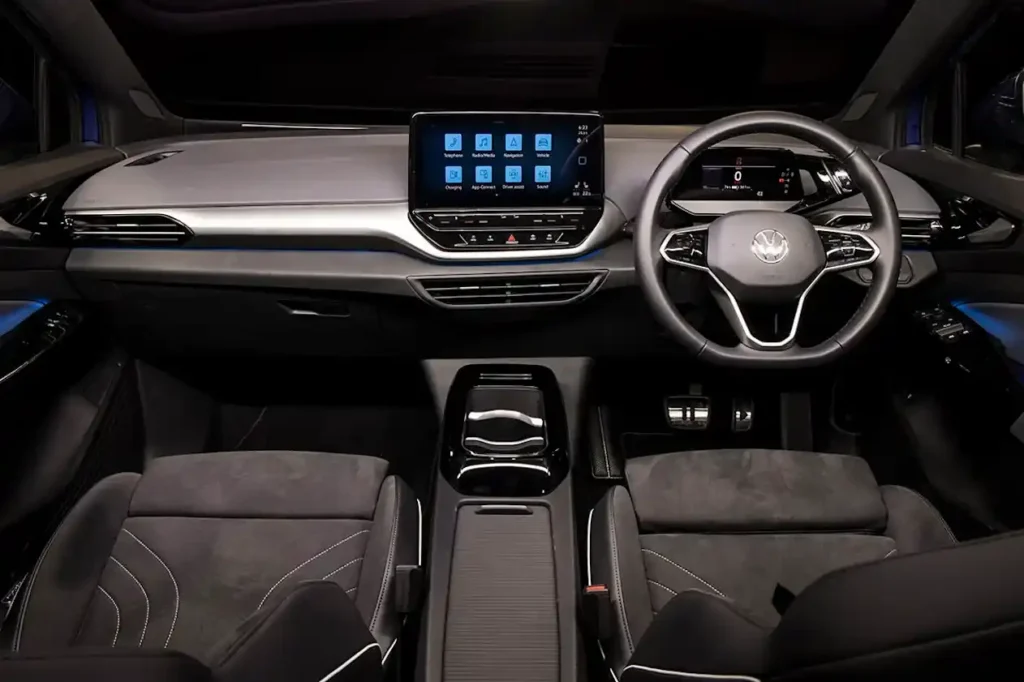
The Volkswagen ID.4 accommodates five passengers within a spacious and modernist interior design that prioritizes comfort and accessibility. The electric vehicle delivers impressive passenger volumes, with front passenger areas measuring 56 cubic feet and rear passenger compartments offering 44 cubic feet of space. This generous allocation ensures comfortable travel for occupants of various sizes.
Real-world testing demonstrates the ID.4’s exceptional spaciousness, with owners reporting positive experiences across different body types. A 6’3″ and 250-pound owner confirmed no issues with headroom, shoulder room, or entry and exit procedures, highlighting the vehicle’s accommodation capabilities for larger passengers. The rear seating area proves particularly family-friendly, featuring easy-access LATCH anchors that simplify car seat installation and removal.
The rear seat design allows ample room for front seat passengers even when child car seats are installed behind them, making the ID.4 one of the best mainstream electric vehicles for families with young children. This thoughtful space utilization ensures that adult passengers in the front maintain their comfort and positioning regardless of rear seat configurations.
Cargo Space and Storage Solutions
The ID.4 provides exceptional cargo capacity that rivals many larger SUVs in its segment. Behind the rear seats, the vehicle offers 30.3 cubic feet of cargo volume, expanding dramatically to 64.2 cubic feet when the 60/40-split rear seats are folded down. This configuration demonstrates the vehicle’s versatility for both daily use and larger hauling needs.
Practical testing reveals impressive storage capabilities, with the cargo area accommodating eight carry-on suitcases behind upright rear seats and expanding to hold 26 total suitcases with seats folded. The rear seats fold completely flat and flush with the cargo floor, creating a level loading surface that maximizes usability, though the load floor height sits somewhat elevated.
Additional storage solutions include space beneath the load floor for smaller items and valuables. However, unlike some electric vehicles, the ID.4 does not feature a front trunk (frunk) for additional storage. The front cabin incorporates a configurable center console equipped with removable cupholders and partitions, providing flexible organization options for personal items and daily essentials.
Climate Control and Seat Comfort
Standard seating features cloth upholstery with heating functionality for front occupants, ensuring comfort during colder weather conditions. The Pro S trim level elevates comfort with faux-leather upholstery and 12-way power-adjustable front seats that include memory functions for personalized positioning. Additionally, S models equipped with the smallest battery pack now include ventilated front-row seats as standard equipment.
While the front seats provide adequate cushioning, extended driving may reveal limitations in support and adjustment options that could affect long-distance comfort. The overall seating design prioritizes accessibility and daily comfort over performance-oriented support characteristics.
The climate control system operates effectively through the vehicle’s touchscreen interface, offering intuitive temperature and airflow management. Advanced voice commands enhance usability, with special climate functions such as “warm feet” or “fresh air” automatically adjusting multiple system settings to achieve desired comfort levels without manual intervention.
Technology and Infotainment Systems
Touchscreen Interface and User Experience
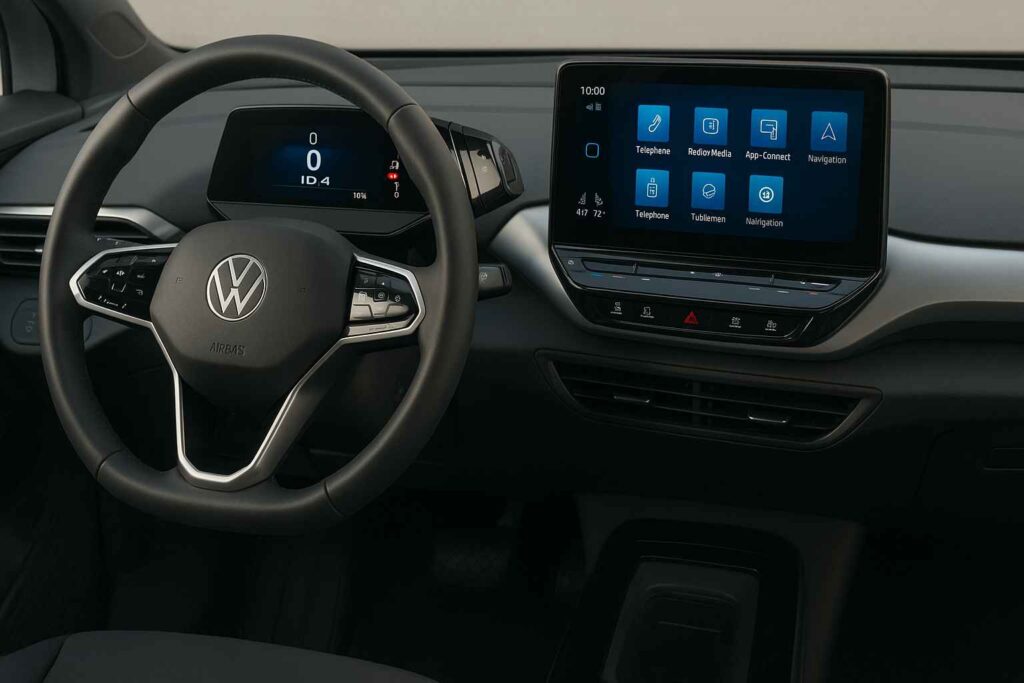
The Volkswagen ID.4’s infotainment system represents a significant focus on digital integration, though the implementation has undergone revisions to address initial user concerns. The infotainment system, while revised for 2024, has been described as requiring a learning curve for optimal operation. The central touchscreen serves as the primary control hub for most vehicle functions, eliminating traditional physical buttons in favor of a sleek, minimalist design approach.
The interface prioritizes visual clarity with large, easily identifiable icons and menu structures designed for intuitive navigation. However, the system’s responsiveness and menu organization have been areas of continuous improvement, with Volkswagen implementing software updates to enhance user interaction flow and reduce the number of steps required for common functions.
Connectivity Options and Voice Controls
Modern connectivity features form the backbone of the ID.4’s technological offerings, providing seamless integration with smartphone ecosystems. The system supports both Apple CarPlay and Android Auto, enabling drivers to access familiar applications and services directly through the vehicle’s display.
Voice control functionality extends beyond basic commands, allowing users to operate climate controls, navigation settings, and entertainment options through natural speech patterns. The system’s ability to interpret conversational commands reduces driver distraction while maintaining access to essential vehicle functions. Wireless connectivity options ensure that devices remain charged and connected without the need for physical cable management.
Driver Assistance and Safety Technologies
The ID.4 incorporates a comprehensive suite of advanced driver assistance systems designed to enhance both safety and convenience during operation. These technologies work collectively to provide multiple layers of protection and driving support across various scenarios.
Standard safety features include adaptive cruise control, lane-keeping assistance, and automatic emergency braking systems that monitor road conditions and potential hazards continuously. The vehicle’s sensor array enables features such as blind-spot monitoring and rear cross-traffic alert, providing drivers with enhanced awareness of their surroundings.
Advanced parking assistance technologies simplify maneuvering in tight spaces, with the system capable of identifying suitable parking spots and providing automated steering input while the driver controls acceleration and braking. These features demonstrate Volkswagen’s commitment to integrating practical safety technologies that address real-world driving challenges.
Design and Build Quality Assessment
Exterior Styling and Dimensions
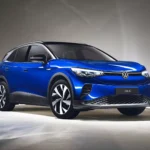
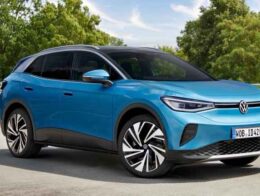
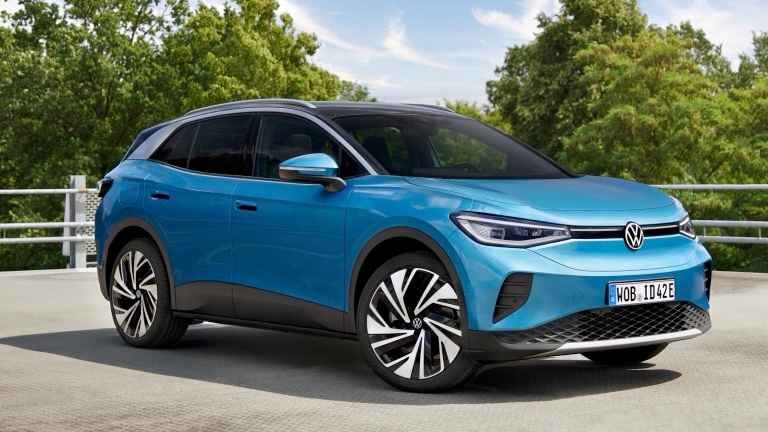
The Volkswagen ID.4 presents a distinctly modern aesthetic that signals Volkswagen’s commitment to electric mobility through clean, aerodynamic lines. The crossover’s design philosophy emphasizes functionality while maintaining visual appeal, featuring a closed-off front grille characteristic of electric vehicles that optimizes airflow efficiency. The vehicle’s proportions reflect careful consideration of interior space maximization while maintaining aerodynamic performance essential for electric range optimization.
Distinctive LED lighting elements create a memorable front and rear signature, with the LED strip connecting the headlights serving as a defining visual element. The vehicle’s stance communicates confidence through its wheel arch treatments and body cladding, while the coupe-like roofline adds dynamic visual interest without significantly compromising rear passenger headroom. The overall exterior dimensions position the ID.4 strategically within the compact SUV segment, offering substantial presence without excessive bulk.
Interior Materials and Finish Quality
The cabin construction demonstrates Volkswagen’s attention to material selection and assembly precision, featuring a blend of sustainable and traditional materials that reflect the brand’s environmental consciousness. Soft-touch surfaces occupy key contact points throughout the interior, while the dashboard layout emphasizes horizontal lines that create a sense of spaciousness. The seat upholstery options include both traditional and eco-friendly materials, with consistent color coordination throughout the interior environment.
Panel gaps and surface alignment maintain Volkswagen’s reputation for precision manufacturing, while the tactile quality of switches and controls meets premium standards. The integration of storage solutions and cup holders demonstrates practical design thinking, with materials chosen for durability and ease of maintenance. Door panel construction incorporates sound-deadening materials that contribute to cabin quietness during operation.
Overall Construction and Reliability
The ID.4’s construction reflects Volkswagen’s MEB platform engineering, designed specifically for electric vehicles to optimize structural integrity and component integration. The platform’s inherent low center of gravity enhances stability while providing excellent crash protection through strategic crumple zones and reinforcement placement. Quality control processes ensure consistent assembly standards across production facilities.
Long-term durability considerations include corrosion resistance treatments and component selection designed for extended service life. The electric drivetrain’s simplified mechanical structure reduces potential failure points compared to traditional combustion engines, while software integration requires ongoing attention to system updates and compatibility. Manufacturing precision in battery pack integration and thermal management systems reflects Volkswagen’s commitment to reliability in electric vehicle technology.
Competitive Comparison and Market Position
Key Rivals in the Electric SUV Segment
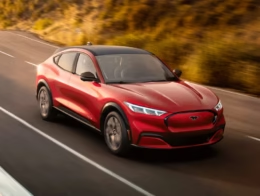
The electric SUV market presents numerous formidable competitors that challenge the Volkswagen ID.4’s market position. Tesla Model Y stands as the segment leader, offering superior acceleration and an extensive Supercharger network. The Ford Mustang Mach-E brings American muscle heritage to the electric space with sporty styling and competitive performance metrics. Hyundai IONIQ 5 introduces innovative ultra-fast charging capabilities and distinctive angular design language. The BMW iX3 represents luxury German engineering with premium materials and advanced driver assistance systems.
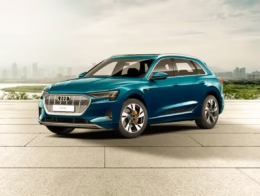
Other notable competitors include the Audi Q4 e-tron, which shares the MEB platform with the ID.4 but offers more upscale positioning, and the Genesis Electrified GV70, bringing luxury refinement to the segment. The Kia EV6 provides value-oriented pricing with impressive technology features, while the Mercedes EQB focuses on family-friendly functionality with optional third-row seating.
Strengths Against Competition
The Volkswagen ID.4 demonstrates several competitive advantages within the electric SUV marketplace. Build quality and interior materials exceed expectations in its price range, utilizing soft-touch surfaces and solid panel gaps that rival premium competitors. The spacious cabin offers generous rear passenger room and cargo capacity, often surpassing more expensive alternatives. Ride comfort prioritizes smoothness over sportiness, appealing to families seeking daily usability rather than track performance.
Pricing strategy positions the ID.4 competitively, particularly when factoring in available federal tax credits and manufacturer incentives. The vehicle’s efficient use of interior space maximizes passenger and cargo volume within its exterior dimensions. Standard equipment levels include comprehensive safety features and adequate technology integration without excessive complexity that characterizes some premium rivals.
Areas Where Competitors Excel
Despite its strengths, the ID.4 faces challenges in several key performance areas. Charging speed lags behind competitors like the Hyundai IONIQ 5 and Kia EV6, which offer 800-volt architecture enabling faster DC charging rates. The infotainment system receives criticism for responsiveness and user interface complexity compared to Tesla’s streamlined approach or traditional automakers’ more intuitive systems.
Performance metrics fall short of sportier rivals, with the single-motor variant delivering modest acceleration figures compared to the Tesla Model Y or Ford Mustang Mach-E. Range estimates, while adequate, cannot match the efficiency of some Asian competitors or the extended range options available from luxury German brands. The charging network infrastructure, though expanding, lacks the convenience and reliability of Tesla’s Supercharger network, potentially impacting long-distance travel confidence for prospective buyers considering the Volkswagen ID.4 full specification package.
Ownership Costs and Warranty Coverage
Add Your Heading Text Here
The Volkswagen ID.4’s pricing structure positions it competitively within the electric SUV segment, though operating expenses require careful consideration for potential buyers. The base model typically starts at a price point that makes it accessible to mainstream consumers, while higher trim levels incorporate premium features that justify their increased cost. Federal and state tax incentives can significantly reduce the initial purchase price, making the ID.4 an attractive proposition for cost-conscious buyers.
Operating expenses for the ID.4 remain substantially lower than traditional gasoline vehicles. Electricity costs per mile average significantly less than fuel expenses, with home charging providing the most economical option. Public charging networks vary in pricing, but the vehicle’s compatibility with multiple charging standards ensures flexibility in charging options. The ID.4’s efficiency ratings contribute to lower overall energy consumption, further reducing operational costs.
Maintenance requirements for the ID.4 are minimal compared to internal combustion engine vehicles. The absence of oil changes, spark plug replacements, and transmission servicing reduces routine maintenance costs. Brake wear is also minimized due to regenerative braking systems, extending the lifespan of brake components.
Warranty Terms and Maintenance Coverage
Volkswagen provides comprehensive warranty coverage for the ID.4, demonstrating confidence in the vehicle’s reliability and build quality. The powertrain warranty extends for an extended period, covering the electric motor and associated components. Battery coverage includes capacity degradation protection, ensuring the battery maintains a specified percentage of its original capacity throughout the warranty period.
The comprehensive vehicle warranty covers defects in materials and workmanship for standard components. This coverage includes electrical systems, suspension components, and interior features. Roadside assistance is typically included, providing peace of mind for long-distance travel and emergency situations.
Scheduled maintenance requirements are minimal, with service intervals extending longer than conventional vehicles. The warranty covers specific maintenance items during designated service periods, reducing out-of-pocket expenses for routine servicing. Software updates are provided over-the-air, eliminating the need for dealership visits for many system updates.
Long-term Value and Depreciation Considerations
The ID.4’s long-term value proposition depends on several factors, including battery longevity, technological relevance, and market demand for electric vehicles. Electric vehicles typically experience different depreciation patterns compared to conventional vehicles, with initial depreciation potentially offset by increasing demand for used electric vehicles.
Battery technology represents the most significant component affecting long-term value. The ID.4’s battery management system is designed to optimize longevity, potentially maintaining higher resale values compared to vehicles with less sophisticated battery management. Technological updates delivered over-the-air help maintain the vehicle’s relevance throughout its ownership period.
Market conditions for electric vehicles continue evolving, with increasing consumer acceptance potentially supporting stronger resale values. The ID.4’s position within Volkswagen’s electric vehicle lineup and the brand’s commitment to electrification may positively influence long-term value retention. However, rapid technological advancement in the electric vehicle sector could impact depreciation rates as newer models with enhanced capabilities enter the market.
Final Verdict
The Volkswagen ID.4 stands as a solid entry in the competitive electric SUV market, offering a compelling combination of practicality, comfort, and value. With its spacious interior, competitive range of up to 291 miles, and comprehensive standard safety features, the ID.4 successfully addresses the core needs of mainstream EV buyers. The vehicle’s refined ride quality, generous cargo space, and family-friendly design make it particularly appealing to those prioritizing everyday usability over sporty performance. While the infotainment system has seen improvements and the charging capabilities are adequate, the ID.4 may not satisfy buyers seeking the most advanced technology or fastest charging speeds available in the segment.
For prospective buyers considering the transition to electric driving, the ID.4 represents a balanced choice that delivers on the fundamentals without breaking the bank. The Pro trim emerges as the sweet spot in the lineup, offering the larger battery pack and enhanced features while maintaining reasonable pricing. Despite facing increasing competition from newer models like the Chevrolet Equinox EV and established rivals such as the Ford Mustang Mach-E, the ID.4’s combination of German engineering, practical design, and competitive ownership costs position it as a worthy contender. Those seeking a comfortable, reliable electric SUV that prioritizes substance over flash will find the ID.4 meets their needs effectively.